 Ink
出 (chū): stroke order, meaning and parts
出 means to go out. Watch the 5 strokes in order, then try writing it yourself.
- Pinyin
- chū
- Meaning
- to go out
- Strokes
- 5
- Radical
- 凵 open box
How to write 出, stroke by stroke
出 has 5 strokes. Each picture adds one stroke, in red, in the order your child writes them.
- 1
- 2
- 3
- 4
- 5
What 出 is made of
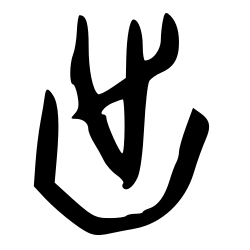
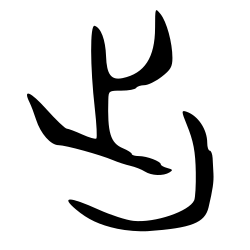
Where 出 came from
A foot 止 stepping out of a cave: to go out.
Words with 出
| Word | Pinyin | Meaning |
|---|---|---|
| 出发 | chūfā | to set off |
| 出租车 | chūzūchē | taxi, cab |
| 出差 | chūchāi | go on a business trip |
| 出生 | chūshēng | be born |
| 出现 | chūxiàn | appear, arise |
| 演出 | yǎnchū | act (in a play), perform |
Characters that share a part
Questions parents ask
How many strokes are in 出?
出 has 5 strokes.
What is the radical of 出?
The radical of 出 is 凵 (open box).
What does 出 mean?
出 means to go out.
How do you write "go out" in Chinese?
"Go out" is 出 (chū), written with 5 strokes. Watch the animation above for the stroke order.
出的拼音是什么?
出的拼音是 chū。
How do you say 出?
出 is said chū, first tone (high and level). Without the tone mark it's written chu, or chu1 with a tone number.
Practice 出 from memory
Inkpop has your child write each character from memory, checks every stroke, and brings it back right before it would be forgotten. Add 出 with the rest of this week's list.
Start freeStroke shapes: hanzi-writer-data (Arphic Public License). Parts: Make Me a Hanzi. Ancient forms: Wikimedia Commons, public domain.